
With diesel now averaging 184.2p per litre and petrol at 153.7p, the AA is urging drivers to reduce their speed by 10% to improve fuel efficiency and cut costs.
The advice comes as motorists have paid an additional £583 million for fuel since the Middle East conflict began – £439 million on diesel and £144 million on petrol.
The 10% Speed Reduction
AA president Edmund King said: “It is well worth drivers adapting their driving style and speed both to save money and enhance safety.”
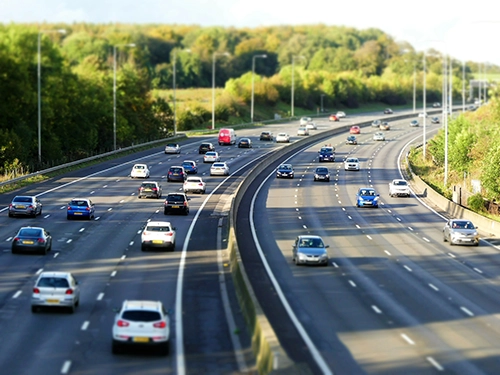
Reducing your speed by 10% – for example, driving at 63mph instead of 70mph on motorways – significantly improves fuel efficiency while still keeping up with traffic flow.
The AA estimates that diesel drivers can save up to £10 per tank simply by changing their driving style. At current prices, that’s a saving of more than £500 per year for weekly fill-ups.
Fuel-Saving Driving Techniques
Beyond slowing down, there are several proven techniques to make every tank go further:
Anticipate the road ahead
Look ahead for traffic lights, roundabouts and changing traffic flow. Avoid continuous harsh braking by easing off the accelerator early. Smooth deceleration uses far less fuel than braking hard at the last moment.
Accelerate gently
Harsh acceleration burns fuel rapidly. Pull away smoothly and change up through the gears as early as possible without labouring the engine.
Maintain steady speeds
Constant speed changes waste fuel. On motorways, use cruise control where safe to maintain a consistent pace.
Check your tyre pressures
Under-inflated tyres increase rolling resistance and fuel consumption. Check pressures at least monthly and before long journeys. Correct pressures can improve fuel economy by up to 3%.
Remove unnecessary weight
Clear out your boot. Every extra 50kg increases fuel consumption by around 2%. Roof boxes and bike racks create drag – remove them when not in use.
Turn off the engine when stationary
If you’re stopped for more than a minute, switch off. Modern cars don’t need to idle to warm up.
Use air conditioning sparingly
Air con can increase fuel consumption by up to 10% in stop-start urban driving. At higher speeds, it’s more efficient than opening windows, but use it judiciously.
Plan your journeys
Combine trips where possible. A warm engine is more efficient than a cold one, so multiple short trips use more fuel than one longer journey covering the same distance.
The Speed and Fuel Economy Relationship
Fuel consumption increases significantly at higher speeds due to air resistance:
- Driving at 70mph uses up to 9% more fuel than 60mph
- Driving at 70mph uses up to 15% more fuel than 50mph
- Driving at 80mph uses up to 25% more fuel than 70mph
At current diesel prices of 184.2p per litre, a 10% improvement in fuel economy on a 50-litre tank saves approximately £9.20 per fill-up – or £478 per year for weekly fill-ups.
How Much Could You Save?
| Change | Potential Saving | Annual Saving (weekly fill-ups) |
|---|---|---|
| 10% speed reduction | Up to £10 per tank | £520 |
| Correct tyre pressures | Up to 3% improvement | £138 |
| Removing roof box | Up to 10% improvement | £460 |
| Smoother driving style | Up to 15% improvement | £690 |
| Shopping around for prices | Up to £15 per tank | £780 |
Combined, these changes could save diesel drivers well over £1,000 per year at current prices.
Where Prices Stand Now
According to the latest RAC data:
- Diesel: 184.2p per litre – up 29% since February 28
- Petrol: 153.7p per litre – up 16% since February 28
A 50-litre tank now costs:
- Petrol: £76.85
- Diesel: £92.10
The RAC Foundation estimates that price rises since the conflict began have cost UK motorists an additional £583 million in total.
Shop Around – Price Gaps Are Huge
Edmund King also advised drivers to use fuel price comparison tools, warning that “often there are price discrepancies up to 19p per litre within short distances.”
At 19p per litre difference, that’s £9.50 saved on a 50-litre tank just by choosing the right station.
Use CheckFuelPrices to compare prices at stations near you. Our data comes directly from the government’s Fuel Finder Scheme – the same database all UK forecourts are required to report to within 30 minutes of any price change.
The Bottom Line
With fuel at crisis-level prices, every litre counts. A combination of driving more efficiently and shopping around for the best prices could save you over £1,000 per year.
Key actions:
- Reduce your speed by 10%
- Anticipate the road ahead and brake smoothly
- Check tyre pressures regularly
- Remove unnecessary weight and drag
- Check CheckFuelPrices before every fill-up
Small changes add up to significant savings – especially when diesel is approaching £1 per litre.